October 8, 2026
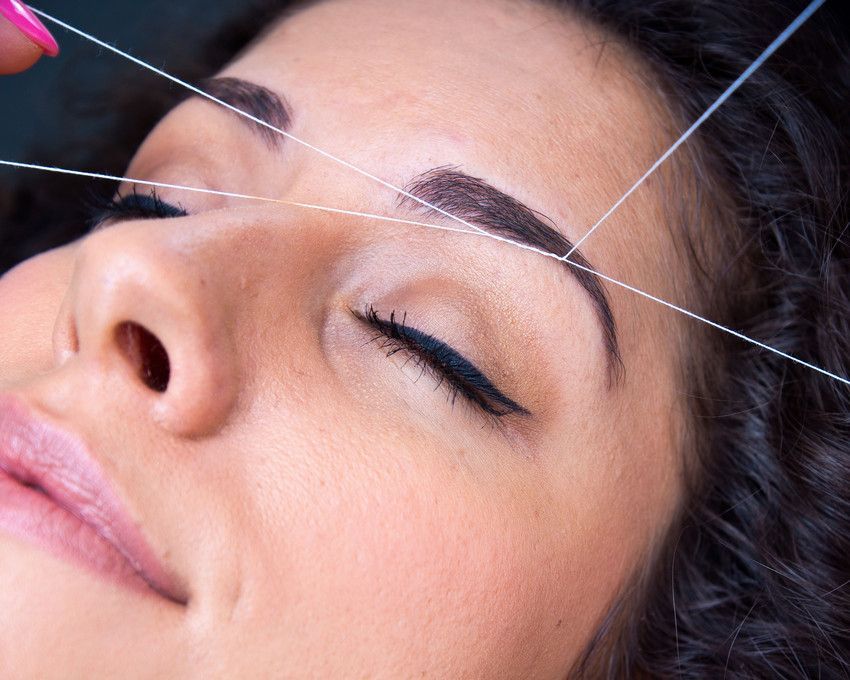
Threading is a precise technique that uses twisted cotton thread to remove unwanted hairs from the root. Rather than covering a broad surface, the practitioner can target individual hairs and shape areas such as the eyebrows or upper lip with careful control. That precision makes threading appealing when definition matters, particularly for facial areas where a clean, polished appearance is desired.
Because the technique focuses on individual hairs, the experience and results can vary from person to person. Hair texture, growth patterns, skin sensitivity, and the area being treated all influence what someone notices after an appointment. A professional can also adjust the approach to suit the shape of the area and the desired level of definition.
Exploring Why Threading Produces Long-Lasting Results
Threading removes hair from the root rather than simply cutting it at the skin's surface. As a result, the treated area generally stays smoother longer after hair removal than it would after shaving. New growth still occurs because the follicle remains, but it takes time for the hair to emerge and become noticeable again.
According to the American Academy of Dermatology, results from threading can last anywhere from 4 to 5 weeks. This timeframe provides a useful general expectation, although it should not be treated as a guarantee for every person. Some people may notice regrowth sooner, while others may enjoy a longer period before another appointment feels necessary.
The timing of regrowth can also differ between facial areas. Eyebrows, upper lips, chins, and other areas may have different growth patterns. Hormonal changes can influence hair growth as well, so an individual's experience may change over time.
Considering What Affects Threading Longevity
Several factors can influence how long a threading appointment looks freshly finished. Natural growth cycles are one of the most important. Hair does not grow at exactly the same rate, which means some hairs may become visible before others.
Hair thickness can also affect how quickly regrowth becomes noticeable. Coarser or darker hairs may be easier to see as they return, while finer hairs can be less apparent even when they are growing normally. This does not necessarily mean one person received a better or worse treatment; it simply reflects natural differences.
Skin care habits can matter, too. Gentle skin care helps maintain a comfortable appearance after an appointment, while aggressive exfoliation or products that irritate the skin may make the area feel more sensitive. Following the provider's aftercare guidance is a practical way to support a comfortable recovery after hair removal.
Preparing for a More Comfortable Appointment
Preparation does not need to be complicated. Arriving with clean skin and communicating any current sensitivity, irritation, or recent cosmetic treatments can help the provider determine how to approach the area. It is also useful to discuss the desired shape or amount of hair to be removed before treatment begins.
Professional communication is especially helpful for eyebrows. A person's natural brow structure provides an important starting point, and the goal may be subtle cleanup rather than a dramatic change. Discussing preferences beforehand can help create results that complement the individual's features.
For people scheduling facial hair removal during a busy season, planning an appointment several days before a special event may provide time for temporary redness or sensitivity to settle. Planning ahead can make the experience easier and reduce last-minute decisions.
Managing Skin After Threading
Immediately after threading, some people may experience mild redness or sensitivity in the treated area. This response can be temporary. Keeping the area comfortable and following professional aftercare recommendations can help the skin settle.
It is sensible to avoid unnecessary friction or harsh products immediately after treatment. A provider can explain which products and activities are appropriate for the treated area based on the person's skin and the service performed. When questions arise about persistent irritation or an unusual reaction, contacting the provider or a qualified medical professional is preferable to trying to correct the issue independently.
Sun exposure is another consideration for facial skin. Everyday sun protection supports overall skin health, particularly in areas that receive regular exposure. A consistent skin care routine can complement professional aesthetic services after hair removal without interfering with the natural growth cycle of the treated hair.
Scheduling Around Your Desired Results
Because threading results are temporary, maintenance appointments can be planned around personal preferences rather than a fixed universal schedule. Someone who prefers consistently defined eyebrows may schedule appointments more regularly, while another person may wait until regrowth becomes noticeable.
The four- to five-week range cited by the American Academy of Dermatology can serve as a starting point when considering future appointments. However, personal growth patterns remain important. A provider can help determine an appropriate schedule based on the area being treated, the appearance desired, and how quickly regrowth tends to become visible.
Seasonal plans can also affect scheduling. Fall events, family gatherings, professional photographs, holidays, and other occasions may make facial grooming a higher priority. Booking in advance can provide flexibility, especially when appointment calendars become busier around popular event periods.
Comparing Threading With Other Hair Removal Options
Threading is one of several ways to manage unwanted facial hair. Shaving cuts hair at the skin's surface, while waxing removes hair from the root. Threading offers a particularly precise hair removal approach because the practitioner can target individual hairs and define small areas without treating a large surface.
The right hair removal option depends on personal preferences, skin characteristics, the area involved, and the desired result. Some people value precision for eyebrow shaping, while others may prioritize speed or a different type of treatment. Professional guidance can help clarify which service fits a person's goals.
For larger areas, threading may not be practical. The American Academy of Dermatology notes that threading is well suited to smaller areas and is not appropriate for large treatment areas. Understanding those limitations helps set realistic expectations and supports a more informed appointment.
Recognizing When Professional Guidance Helps
A professional appointment provides more than the physical service. It creates an opportunity to discuss expectations, ask questions, and address concerns before treatment begins. This can be especially useful for people who are new to threading or who have experienced sensitivity with other methods.
Individualized attention also matters when someone has a specific eyebrow shape in mind. Facial features are naturally different, and a balanced result should account for the person's existing brow pattern rather than forcing every client into the same look.
Professional care is also valuable when the skin has an active concern. If an area is irritated, inflamed, or otherwise unusual, discussing it with an appropriate professional before proceeding can help determine whether treatment should be postponed or adjusted.
Maintaining a Confident, Polished Look
Threading can fit naturally into a broader personal grooming routine because it offers precision without requiring a long-term commitment. For many people, that flexibility makes it convenient to schedule around work, social events, travel, or seasonal activities.
The most useful way to think about professional facial hair removal longevity is as a general window rather than a promise. The American Academy of Dermatology's four- to five-week estimate offers a practical reference point, while individual growth patterns determine when a person wants another appointment.
With realistic expectations and professional care, threading can provide a neat, defined appearance while allowing each person to decide how often maintenance fits their routine. For those considering facial hair removal in Norman, a consultation can help clarify what to expect from the service and how to plan appointments around personal goals.
For personalized threading guidance and professional aesthetic care, contact Karen Barbalace Aesthetics PLLC to schedule an appointment and discuss your desired results.