November 21, 2026
Tattoos often represent meaningful memories, personal artistry, or pivotal milestones. However, personal tastes and lifestyles evolve, and artwork that once felt fitting may no longer reflect an individual's identity. When that change occurs, pursuing a clean slate is a practical, modern choice. Laser technology has evolved dramatically over the years, transforming a process that was once slow into an efficient, skin-conscious experience. Understanding what happens during the journey makes the path forward clear and straightforward. When considering tattoo removal services, having a thorough understanding of the process, preparation, and healing timeline will help establish realistic expectations and provide peace of mind.
Understanding the Science Behind Laser Tattoo Removal
The Biological Mechanism of Ink Clearance
To appreciate how laser treatments work, it helps to understand why tattoos remain visible in the first place. When ink is introduced into the dermis, the body recognizes it as a foreign substance. Macrophages—specialized immune cells—attempt to ingest the ink particles to remove them. Because professional tattoo particles are typically far too large for these cells to engulf and transport away, the pigment remains trapped deep within the skin layers.
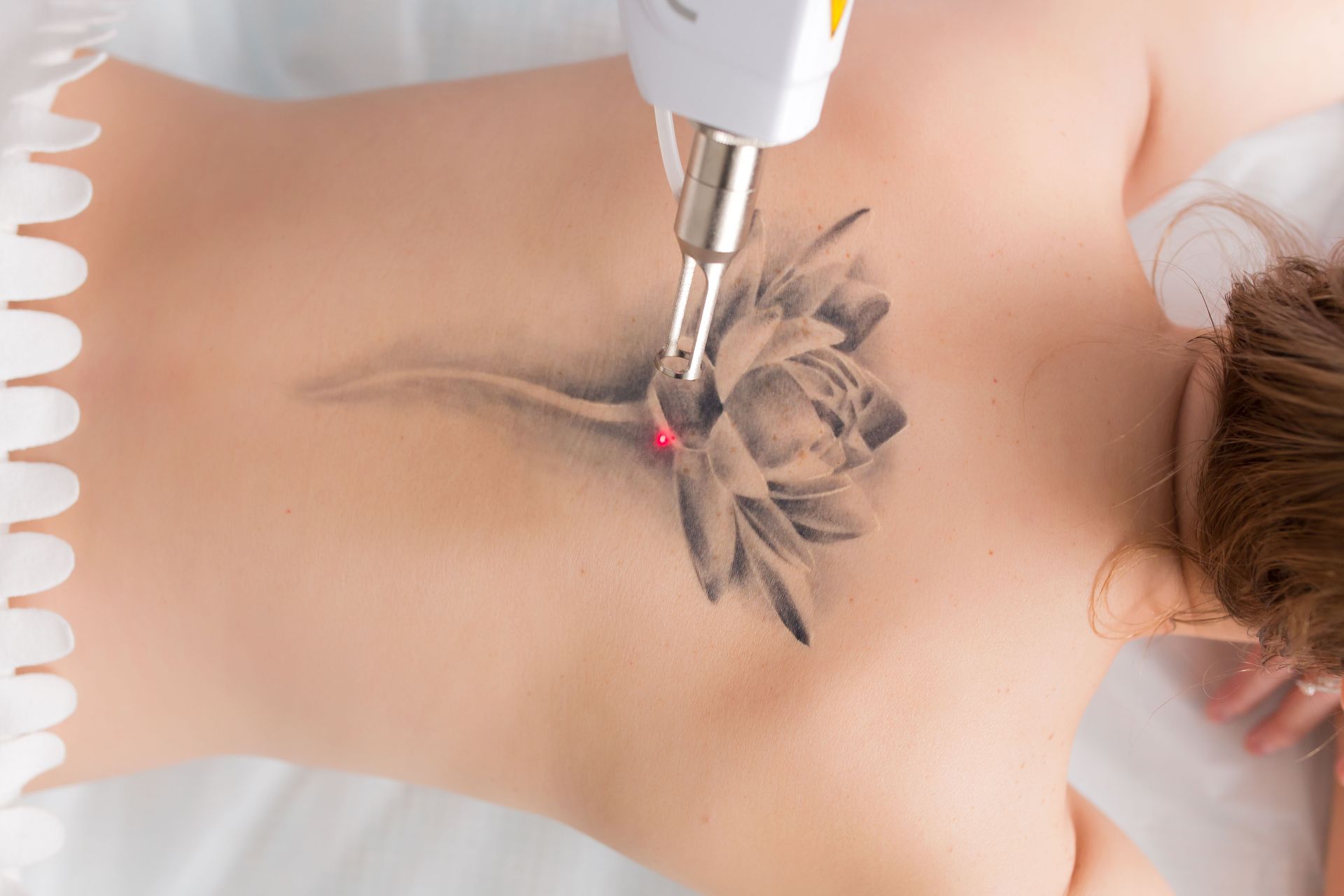
Modern laser procedures address this challenge through photomechanical energy. During a session, highly concentrated pulses of light pass harmlessly through the outer epidermis to target the trapped pigment underneath. The pigment absorbs this rapid acoustic energy, causing the dense ink conglomerates to shatter into minuscule fragments. Once reduced to microscopic dust, these smaller particles are easily gathered by the lymphatic system and filtered out of the body naturally over subsequent weeks.
The Role of Advanced Picosecond Technology
Older aesthetic lasers relied heavily on photothermal reactions, delivering heat over longer microsecond or nanosecond intervals. While functional, excess thermal energy carried a greater risk of irritating surrounding dermal tissue. In contrast, modern innovations such as picosecond technology deliver ultra-short energy bursts measured in trillionths of a second.
This rapid delivery minimizes heat buildup while generating an intense pressure wave that fractures ink with remarkable precision. According to Gitnux, laser tattoo removal clears black ink completely in 94% of instances after approximately 10 treatment visits. Darker pigments absorb a broad spectrum of light wavelengths, allowing targeted systems to break down pigment effectively across varying depths. Furthermore, advanced platforms encourage collagen remodeling during the clearance process, helping preserve skin texture while the pigment gradually fades.
Preparing for Your Initial Treatment Session
Navigating the Professional Consultation
Every journey begins with a comprehensive medical consultation. Skin tone, tattoo location, pigment depth, and the specific colors utilized in the design all influence the overall roadmap. For instance, amateur tattoos with uneven hand application require different energy parameters than dense professional artwork.
During this initial assessment, qualified practitioners inspect the skin, review relevant health history, and establish realistic benchmarks. Some individuals seek complete clearance, while others simply desire lightening so that a tattoo artist can execute a new cover-up design. Regardless of the desired end goal, relying on specialized tattoo removal services ensures an individualized protocol tailored precisely to skin sensitivity and tattoo characteristics.
Pre-Care Guidelines to Protect the Dermis
Adequate preparation significantly influences both treatment comfort and overall skin response. Preparing for a laser appointment involves keeping the target area calm, hydrated, and protected from environmental stressors. Patients are advised to adhere to basic pre-treatment guidelines:
- Avoid direct sun exposure, tanning beds, and self-tanning lotions on the target area for at least four weeks prior to treatment, as excess melanin can interfere with laser absorption.
- Keep the skin well-moisturized and drink plenty of water in the days leading up to the visit to support overall tissue resilience.
- Refrain from taking blood-thinning medications or anti-inflammatory supplements unless medically required, after consulting a healthcare provider.
- Arrive at the appointment with clean skin completely free of moisturizers, perfumes, cosmetics, or topical numbing agents unless directed by the practitioner.
- Wear loose, comfortable clothing that prevents friction against the treated area immediately following the appointment.
Navigating the In-Office Treatment Experience
What the Procedure Actually Feels Like
Comfort is often one of the first topics prospective patients bring up. The sensation of laser energy is frequently described as similar to a thin rubber band snapping against the skin, accompanied by warm prickles. Fortunately, because advanced lasers operate with rapid speed, the actual laser firing time is remarkably brief. Small tattoos often require less than a minute of active treatment, while medium designs take only a few minutes.
Practitioners utilize targeted cooling systems and cold air devices before, during, and after the laser application to soothe the skin surface. When performed with dedicated tattoo removal services, the experience is manageable, quick, and structured around patient comfort.
Immediate Skin Reactions During Treatment
During the procedure, observers will often note an immediate whitening effect on the tattoo, frequently referred to as frosting. This temporary reaction occurs when rapid acoustic waves generate microscopic gas bubbles in the upper layers of the skin.
Frosting is completely normal and indicates that the pigment has successfully absorbed the laser light. This frosty appearance typically subsides within twenty to thirty minutes, giving way to mild redness and localized swelling similar to a mild sunburn. A protective ointment and a breathable dressing are applied immediately afterward to protect the newly treated area.
Supporting Recovery and Long-Term Results
Essential Post-Treatment Care Protocols
Achieving an optimal outcome depends as much on aftercare as it does on the laser device itself. The body needs time and support to filter away fragmented ink while restoring the epidermis. Professional tattoo removal services provide comprehensive post-treatment instructions that prioritize skin cleanliness and hydration:
- Keep the treated area clean and dry for the first twenty-four hours, gently washing with mild soap and patting dry with a clean cloth.
- Apply a thin layer of recommended soothing ointment to maintain barrier moisture and prevent scab stiffness.
- Avoid picking, scratching, or peeling any minor scabs or superficial blisters that may develop, allowing them to slough off naturally.
- Steer clear of hot tubs, saunas, public pools, and intense workouts that cause excessive sweating for at least forty-eight hours.
- Apply broad-spectrum mineral sunscreen over the healed skin whenever going outdoors to prevent post-inflammatory hyperpigmentation.
Spacing Sessions for Optimal Clearance
Tattoo clearance is a gradual biological journey rather than an overnight event. While the laser does the work of fragmenting the pigment in minutes, the body's immune system performs the labor of sweeping those fragments away over time.
Appointments are generally spaced six to eight weeks apart, and sometimes longer for tattoos situated on extremities like ankles or fingers where circulation is naturally slower. Rushing appointments does not accelerate ink elimination; giving the body adequate rest allows the skin barrier to regenerate and ensures macrophage activity can process the loosened pigment. Over a series of scheduled tattoo removal services, visible fading progresses steadily.
Factors That Influence Overall Treatment Timelines
Ink Composition and Pigment Colors
Not all tattoo inks are chemically identical. Black and dark grey pigments feature dense carbon bases that absorb broad laser wavelengths readily, yielding predictable clearance. In contrast, complex vibrant hues like vivid turquoise, lime green, and pale yellow require distinct wavelengths and tailored energy calibration to fracture properly.
Older tattoos often respond somewhat faster than fresh ones because the body's immune system has already begun naturally degrading the ink over time. By partnering with advanced tattoo removal services, practitioners can fine-tune device settings to address multi-colored pieces effectively.
Deciding to fade or fully clear body art is an empowering personal choice. With modern technological innovations, achieving a clean slate without compromising skin health is more accessible than ever before. Partnering with reputable
tattoo removal services ensures an experience built on safety, medical oversight, and attentive care from the initial pulse to final healing. If you are ready to explore your options and take the first step toward clearer skin, reach out to Karen Barbalace Aesthetics PLLC to begin your personalized consultation.