April 8, 2026
Achieving glowing, youthful skin is a common goal for many individuals seeking cosmetic interventions. While at-home skincare routines lay the foundation, sometimes professional help is needed to truly transform skin health and appearance. This article explores the best medical spa services available today that can help rejuvenate and enhance skin radiance. Each treatment offers unique benefits and caters to different skin types and concerns, ensuring a tailored approach to skincare. Read on to discover how medical spa services can aid in achieving your desired skin health goals.
Chemical Peels
What Are Chemical Peels?
Chemical peels are a skin-resurfacing procedure that involves the application of a chemical solution to remove the outer layers of the skin. This treatment is designed to improve the skin's texture, tone, and clarity by peeling off damaged surface skin. Depending on the strength and depth of the peel, different chemical peels can target issues such as acne scars, sun damage, and uneven pigmentation. Chemical peels are categorized into three types: superficial, medium, and deep peels, each with varying depths of skin penetration. Consulting with a skincare professional is vital to determine which peel is most suitable for your specific skin needs.
Benefits of Chemical Peels for Skin Rejuvenation
The benefits of chemical peels extend beyond surface-level skin improvements; they promote rejuvenation by stimulating new skin growth. This process not only revitalizes the skin but also encourages collagen production, resulting in firmer and more youthful-looking skin. Chemical peels can also enhance the effectiveness of topical skincare products by enabling better penetration into the skin. For many, chemical peels provide a comprehensive solution to multiple skin concerns, from minor textural issues to more pronounced pigmentation problems. When used as part of a regular skincare routine, they can help maintain a consistent glow and youthful appearance.
Different Types of Chemical Peels
As previously mentioned, chemical peels are available in several types, each tailored to specific skin concerns and desired outcomes. Superficial peels, often referred to as "lunchtime peels," are the mildest form and are suitable for minor skin imperfections. Medium peels penetrate deeper into the dermis to address moderate skin issues, such as wrinkles and uneven skin tone. Lastly, deep peels offer a more intensive treatment for severe skin conditions but require a longer recovery period. Each type of peel has its advantages, and a professional consultation can help patients choose the most appropriate option.
Aftercare Tips for Optimal Results
Proper aftercare is crucial to achieving the best results from a chemical peel. Patients should adhere to a gentle skincare routine, avoiding harsh products and treatments that may irritate the skin. Moisturization is essential to aid the healing process and enhance skin recovery post-peel. Additionally, wearing high-SPF sunscreen is critical to protect the newly exposed skin from sun damage, as it is more susceptible to UV rays. Following these aftercare tips can help ensure lasting results and how pretty your skin looks.
Potential Risks and Considerations
As with any cosmetic procedure, chemical peels come with potential risks that patients should be aware of. Side effects can range from mild redness and irritation to more serious complications, including scarring and infection. Individuals with certain skin conditions or those who are pregnant should consult their healthcare provider before undergoing a chemical peel. The expertise of the practitioner performing the peel also plays a significant role in minimizing risks and ensuring the safety of the procedure. To achieve desired outcomes while mitigating risks, selecting a well-qualified and experienced professional is essential.
Microdermabrasion
Understanding Microdermabrasion
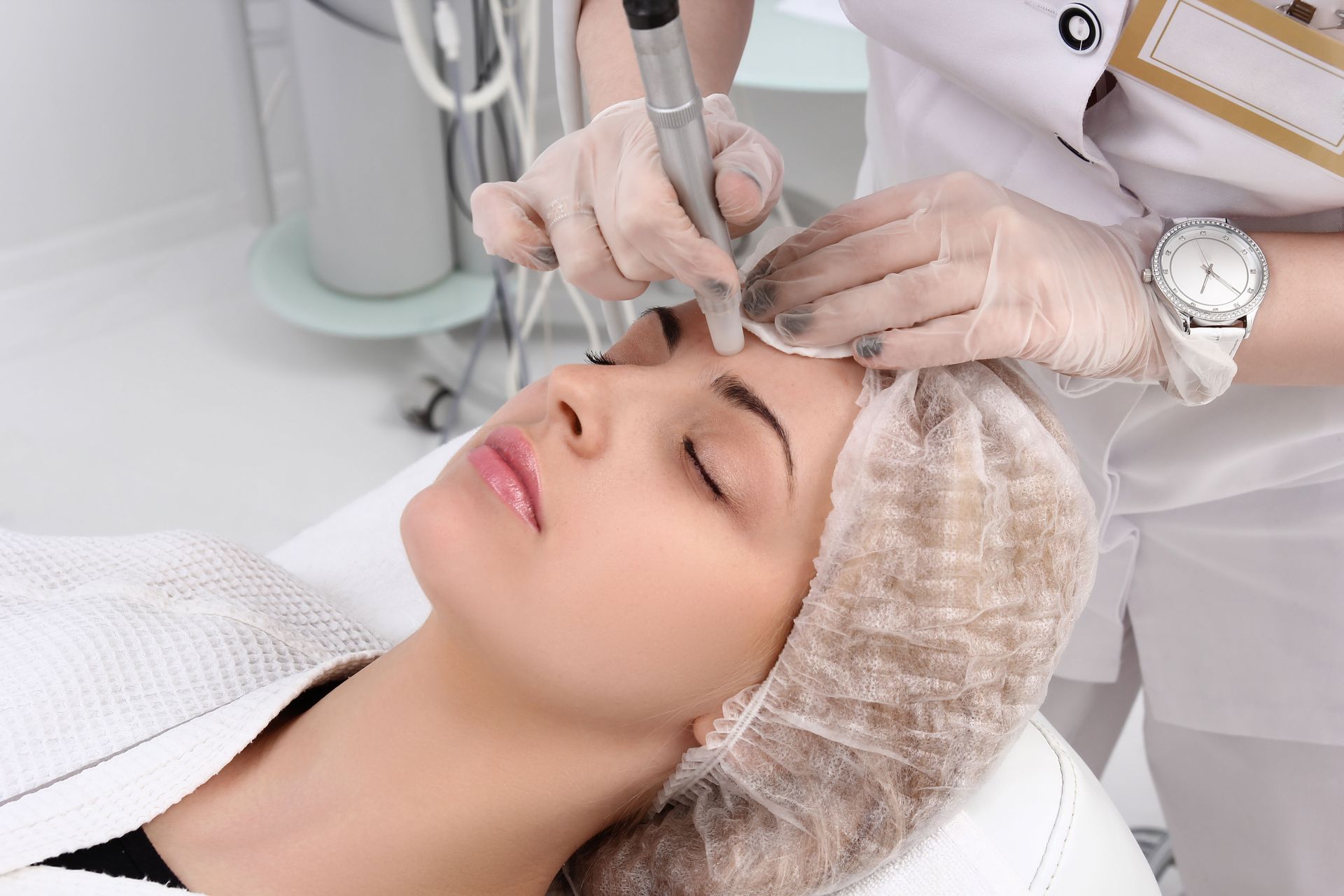
Microdermabrasion is a non-invasive skincare treatment that exfoliates the outermost layer of skin using fine crystals or a diamond-tipped wand. This process aims to reveal fresher, more youthful skin underneath, promoting a smoother and more radiant complexion. Microdermabrasion is particularly effective for addressing superficial skin issues, such as minor scars, fine lines, and uneven skin tone. By removing dead skin cells and impurities, this treatment can enhance skin's natural glow and improve absorption of skincare products. Typically, microdermabrasion requires no downtime, making it an attractive option for those seeking quick and convenient skin enhancement.
How Microdermabrasion Enhances Skin Health
Beyond its immediate effects, microdermabrasion offers long-term benefits by stimulating blood circulation and collagen production in the skin. Regular treatments can lead to continuous improvements in skin tone, texture, and elasticity, as the skin becomes more resilient over time. Microdermabrasion is a highly customizable procedure, allowing skincare professionals to adjust the intensity to suit individual skin types and concerns. As a result, this treatment can effectively address a wide range of skin issues while promoting overall skin health. Patients often notice a significant difference in the radiance and smoothness of their skin after a series of sessions.
Who Should Consider Microdermabrasion?
Microdermabrasion is suitable for individuals with various skin types, although it may be particularly beneficial for those with dull, rough, or uneven skin texture. It is also a popular choice for those seeking to minimize the appearance of age spots, sun damage, and acne scars. For more sensitive skin types, practitioners can perform a gentler version of microdermabrasion to avoid irritation. Those with certain skin conditions, such as active acne or rosacea, should consult a dermatologist to determine if microdermabrasion is appropriate for them. Ultimately, this treatment offers a gentle yet effective option for enhancing skin radiance without significant downtime.
Preparation and Post-Treatment Care
Preparing for microdermabrasion involves a few simple steps to ensure optimal results and minimize side effects. Patients should avoid sun exposure and harsh skincare products, such as retinoids and glycolic acid, in the weeks leading up to treatment. On the day of the procedure, it's advisable to arrive with clean, makeup-free skin to allow the treatment to be most effective. After undergoing microdermabrasion, post-treatment care focuses on moisturizing and protecting the skin. Applying a gentle moisturizer and high-SPF sunscreen can help support the skin's recovery and maintain its newfound glow.
Frequently Asked Questions
Patients often have questions about microdermabrasion, particularly regarding its effectiveness and safety. Common inquiries include whether the treatment is painful, how long results last, and the recommended frequency of sessions. Microdermabrasion is typically painless, with most patients describing a mild scratching sensation during the procedure. Results can be noticeable immediately and are often enhanced through a series of treatments. For optimal benefits, many professionals suggest undergoing microdermabrasion every 4 to 6 weeks.
Laser Skin Resurfacing
Introduction to Laser Skin Resurfacing
Laser skin resurfacing is a popular method for reducing facial wrinkles, scars, and blemishes. This treatment precisely removes the outer layers of damaged skin to reveal the healthier skin underneath. By using concentrated beams of light, laser resurfacing promotes the formation of new skin cells and collagen, leading to a smoother, more youthful-looking complexion. There are two main types of laser treatments: ablative, which removes thin layers of skin, and non-ablative, which promotes collagen growth and tightens underlying skin. Choosing the best laser treatment depends on individual skin concerns and desired outcomes.
The two primary categories of lasers used in skin resurfacing—ablative and non-ablative—serve different purposes and have varying recovery times. Ablative lasers, such as CO2 and Erbium lasers, are more intensive, delivering significant results but requiring a longer recovery period. Non-ablative lasers, including Fraxel and Nd:YAG, work by heating the deeper layers of skin without removing the outer layers and have minimal downtime. According to Global Growth Insights, about 69% of med spa consumers prefer non-invasive aesthetic procedures. Both types of lasers help reduce the appearance of wrinkles and scars while promoting collagen production and skin tightening. Each has benefits and drawbacks, so selecting the right laser treatment involves assessing the specific skin needs and comfort with the recovery process. Be sure to reach out to Karen Barbalace Aesthetics today for more information on our professional medical spa service!